 UNFEIGNED
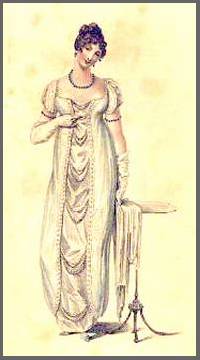
… and she (Fanny Price) found herself the next moment conducted by Mr. Crawford to the top of the room, and standing there to be joined by the rest of the dancers, couple after couple, as they were formed.
She could hardly believe it. To be placed above so many elegant young women! The distinction was too great. It was treating her like her cousins! And her thoughts flew to those absent cousins with most unfeigned and truly tender regret, that they were not at home to take their own place in the room, and have their share of a pleasure which would have been so very delightful to them. The Narrator on Fanny Price, Mansfield Park, Chapter 28
As Fanny experiences the honour of the first dance at the ball with Henry Crawford, her thoughts turn immediately to her absent cousins Edmund, Julia and Maria Bertram and away from her own pride and joy. I am not a trained therapist, but there appears to be something not quite right with this thinking. Does Austen want us to admire Fanny’s unselfish thoughts and concerns for her cousins, or believe that her transference of unfeigned happiness is due to her doubts that she deserves them herself?
Mansfield Park is one of Jane Austen’s most introspective works, and it makes me dwell on the more serious issues of human nature and happiness. I often have unfeigned regret for Fanny while reading it. But, – – it does end well, which eases my poor nerves!
Discover more from Austenprose
Subscribe to get the latest posts sent to your email.

Please join in and have your share of the conversation!